
In industries where hazardous gases may be present, safety is not optional it’s essential. Portable gas monitors have become a critical tool for detecting harmful gases in real time, helping protect workers, property, and the environment. Whether you’re working with liquefied petroleum gas, managing a natural gas inventory, or operating in confined spaces, having the right device can make all the difference.
What Are Portable Gas Monitors?
Portable gas monitors, also known as portable gas detectors, are compact devices designed to detect the presence and concentration of gases in the air. These gases may include toxic substances, combustible gases, or oxygen deficiencies. A personal gas monitor is typically worn by an individual worker, providing continuous monitoring and instant alerts if gas levels become dangerous.
These devices are widely used in industries such as oil and gas, chemical manufacturing, mining, construction, and firefighting. With increasing safety regulations, the demand for reliable gas monitor systems has grown significantly.
Key Features of Portable Gas Monitors
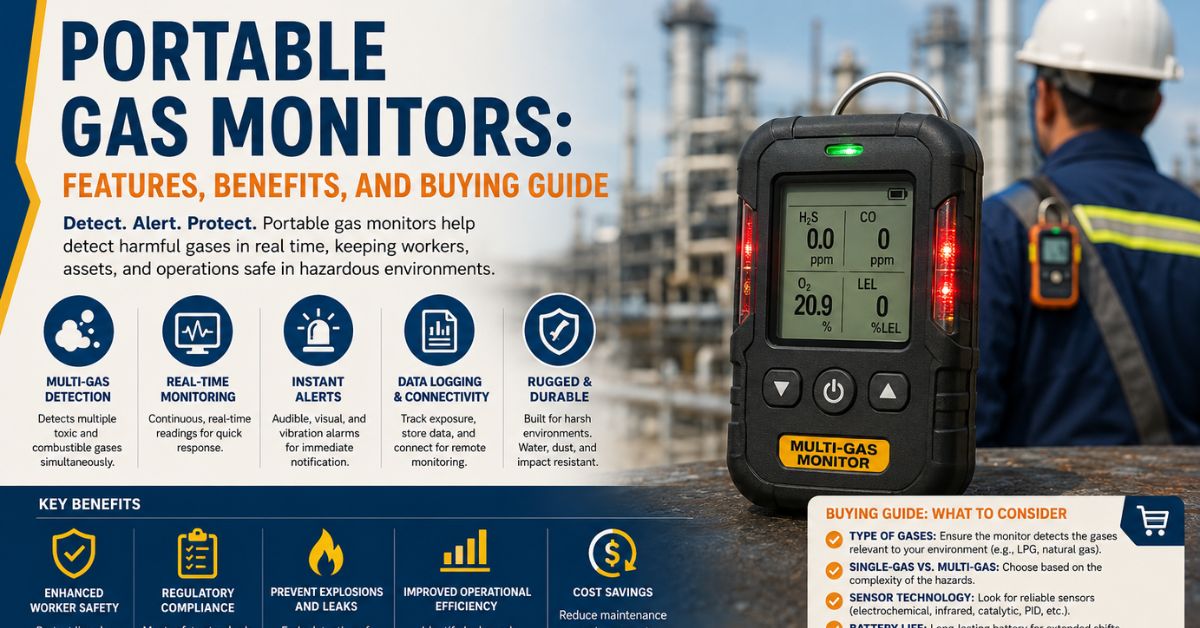
Modern portable gas detectors come equipped with advanced features that enhance both usability and safety:
- Multi-Gas DetectionMany devices can detect multiple gases simultaneously, such as carbon monoxide, hydrogen sulfide, oxygen, and combustible gases like liquefied petroleum gas. This is especially useful in environments where multiple hazards may exist.
- Real-Time MonitoringPortable gas monitors provide continuous, real-time readings, allowing users to respond quickly to any changes in gas levels.
- Audible and Visual AlarmsWhen gas concentrations exceed safe thresholds, the device triggers alarms usually a combination of sound, vibration, and flashing lights to ensure the user is alerted immediately.
- Data Logging and ConnectivityAdvanced models offer data logging features, enabling companies to track exposure levels over time. Some also support wireless connectivity for remote monitoring and integration with safety systems.
- Compact and Durable DesignDesigned for harsh environments, portable gas detectors are lightweight, rugged, and often water- and dust-resistant, making them suitable for field use.
Benefits of Using Portable Gas Monitors
Investing in a reliable portable gas monitor offers several advantages:
Enhanced Worker SafetyThe primary benefit is the protection of human life. A personal gas monitor ensures that workers are alerted before gas levels become life-threatening, reducing the risk of accidents and fatalities.
Regulatory ComplianceIndustries dealing with hazardous gases must comply with strict safety regulations. Using portable gas detectors helps organizations meet these requirements and avoid penalties.
Prevention of Explosions and LeaksDetecting combustible gases like liquefied petroleum gas early can prevent catastrophic incidents such as explosions or fires.
Improved Operational EfficiencyBy monitoring gas levels in real time, companies can quickly identify leaks or inefficiencies in their systems, including issues in natural gas inventory management.
Cost SavingsEarly detection of gas leaks can reduce maintenance costs, prevent equipment damage, and minimize downtime.
Buying Guide: How to Choose the Right Gas Monitor
Selecting the right portable gas monitor depends on several factors. Here’s what to consider:
- Type of Gases DetectedIdentify the gases relevant to your work environment. For example, if you handle liquefied petroleum gas or manage a natural gas inventory, ensure the device is calibrated to detect those specific gases.
- Single-Gas vs. Multi-Gas MonitorsSingle-gas monitors are suitable for specific hazards, while multi-gas monitors are ideal for complex environments where multiple gases may be present.
- Sensor TechnologyDifferent sensors are used for different gases. Look for reliable sensor types such as electrochemical sensors for toxic gases and infrared sensors for combustible gases.
- Battery LifeLong battery life is crucial, especially for workers in the field. Choose a device that can last through extended shifts without frequent recharging.
- Ease of UseA good portable gas detector should be easy to operate, with a clear display and simple controls. This ensures quick adoption and reduces training time.
- Maintenance and CalibrationRegular calibration is necessary to maintain accuracy. Choose a device with straightforward maintenance procedures and accessible support.
Final Thoughts
Portable gas monitors are an indispensable part of modern safety practices. From detecting leaks in liquefied petroleum gas systems to ensuring accurate tracking of natural gas inventory, these devices provide critical protection in hazardous environments. By understanding their features, benefits, and selection criteria, you can choose the right portable gas detector to safeguard your workforce and operations.
Investing in a high-quality personal gas monitor isn’t just about compliance, it’s about creating a safer, more efficient workplace where risks are minimized, and confidence is maximized.